
JUDGING CRITERIA
The judging will be in three sessions: "sake tasting," "design," and "food pairing."
Sake tasting session
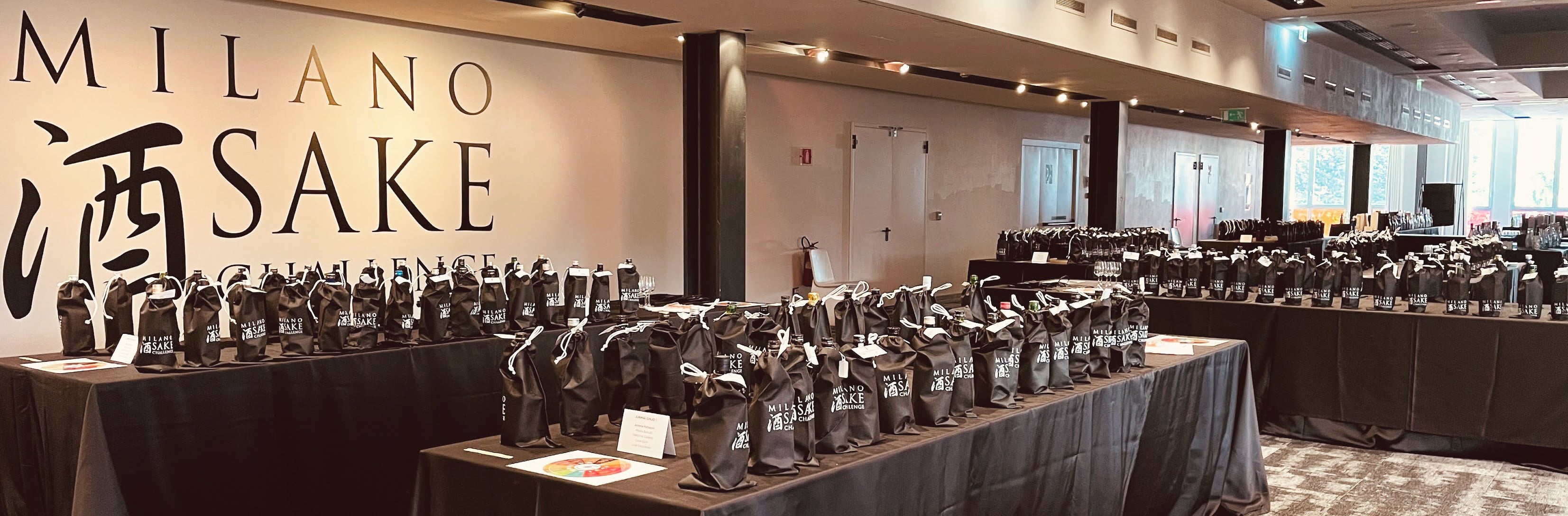
Sake Sommeliers with extensive knowledge of Japanese alcoholic beverages such as sake, fruit liquor, and shochu will conduct a blind tasting using a wine glass, evaluating the color, aroma, flavor, and aftertaste.
The judging is divided into 11 groups:
The translation is:
① Junmai Daiginjo Category (rice polishing ratio below 35%)
② Junmai Daiginjo Category (rice polishing ratio 35-50%)
③ Daiginjo Category
④ Junmai Ginjo & Ginjo Category
⑤ Junmai Category
⑥ Honjozo & Futsushu Category
⑦ Special Production Method Category*
⑧ Sparkling Sake Category
⑨ Nigori Sake Category (non-sparkling and pasteurized)
⑩ Koshu Category (aged 3 years or more)
⑪ Yuzu Sake, Umeshu & Liqueur Category

Honkaku Shochu and Awamori tasting session
1. Sweet Potato Shochu Category
2. Rice Shochu Category
3. Barley Shochu Category
4. Awamori Category
5. Special Shochu Category (rare shochu, aromatic shochu)
6. Aged Authentic Shochu Category
Shochu and awamori experts together distillates experts, including bartenders, will evaluate the colour, aroma, flavour and aftertaste of the drinks blind using a dedicated app.

DESIGN SESSION
The evaluation focuses on the overall elements that influence the sake experience, such as the label, bottle shape, packaging, etc. Design and fashion experts judge the bottles, labels, caps and boxes for elegance, appeal and functionality.

FOOD PAIRING SESSION
The sakes, selected through the sake tasting session, will be judged on their pairing with Italian food and desserts that are also popular in Japan. The sakes will be judged in a blind tasting using wine glasses for each of the five types of food and desserts.